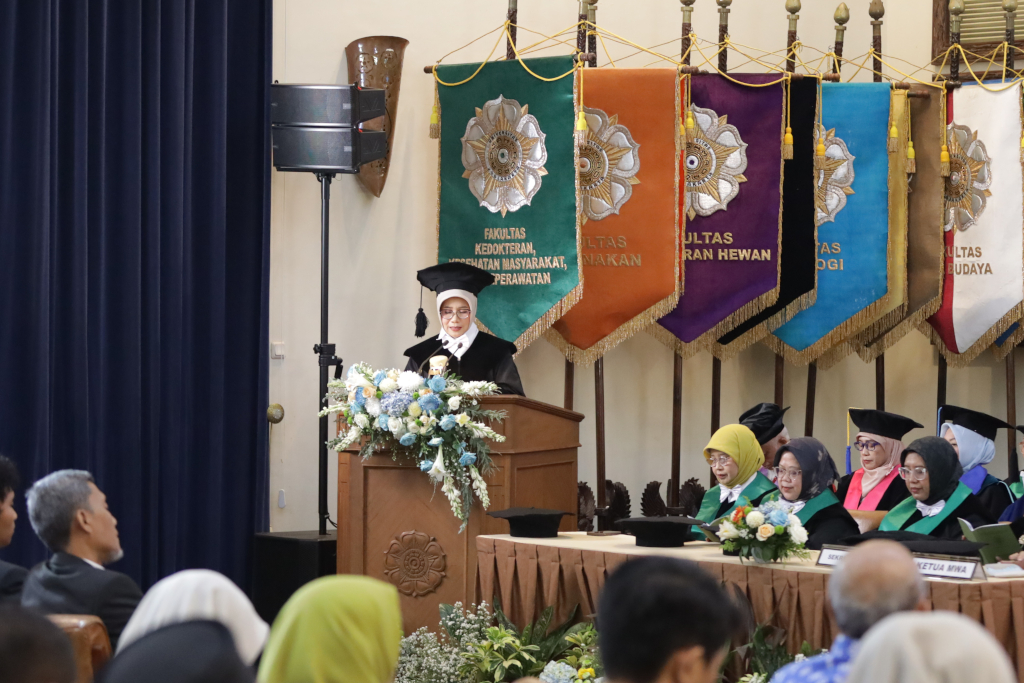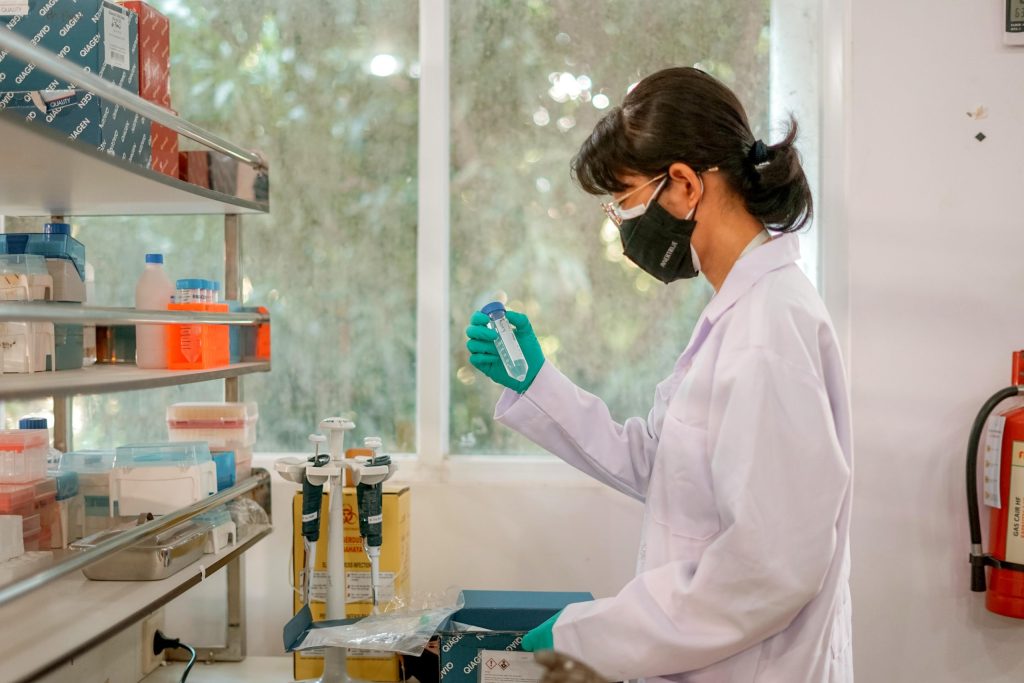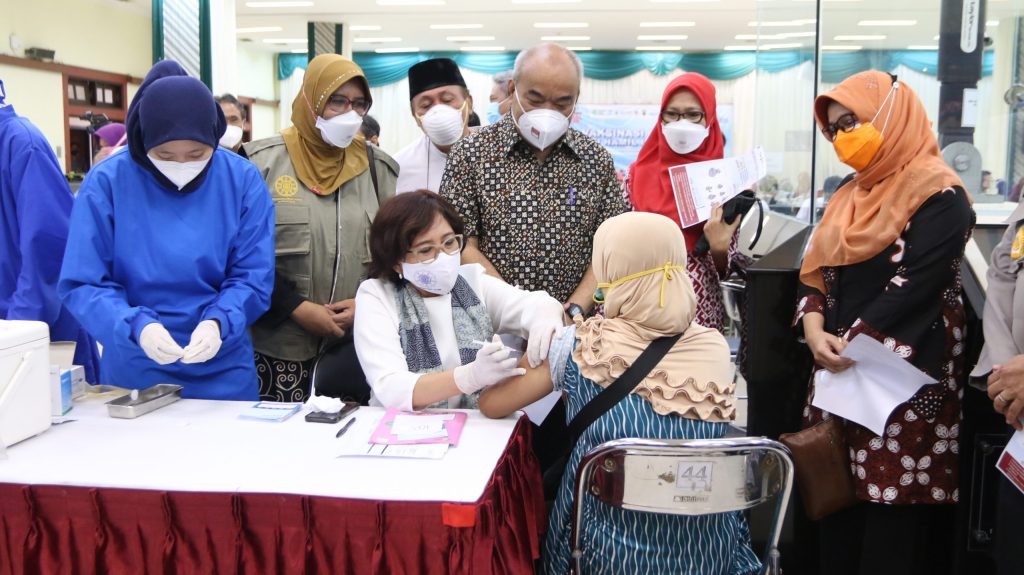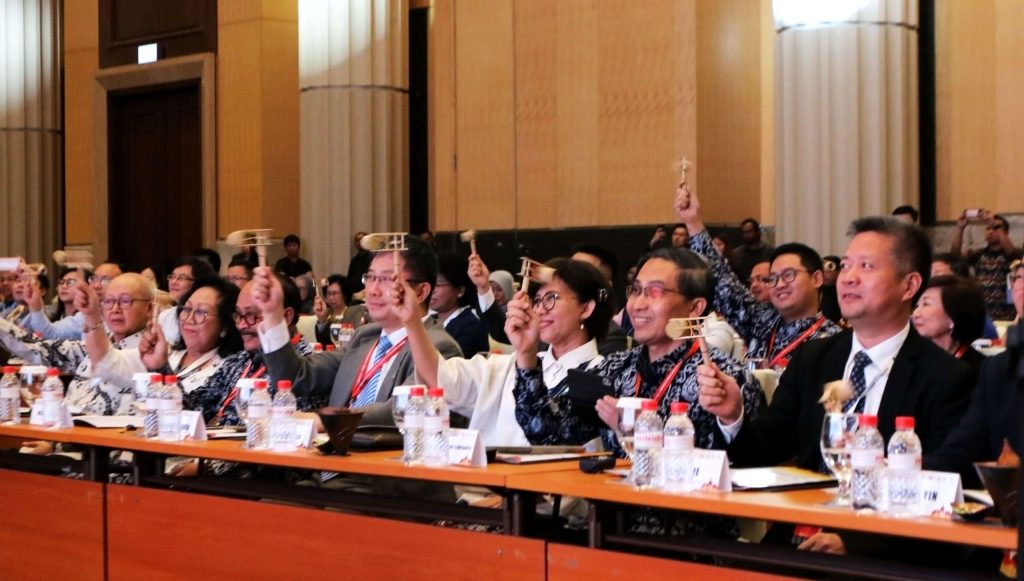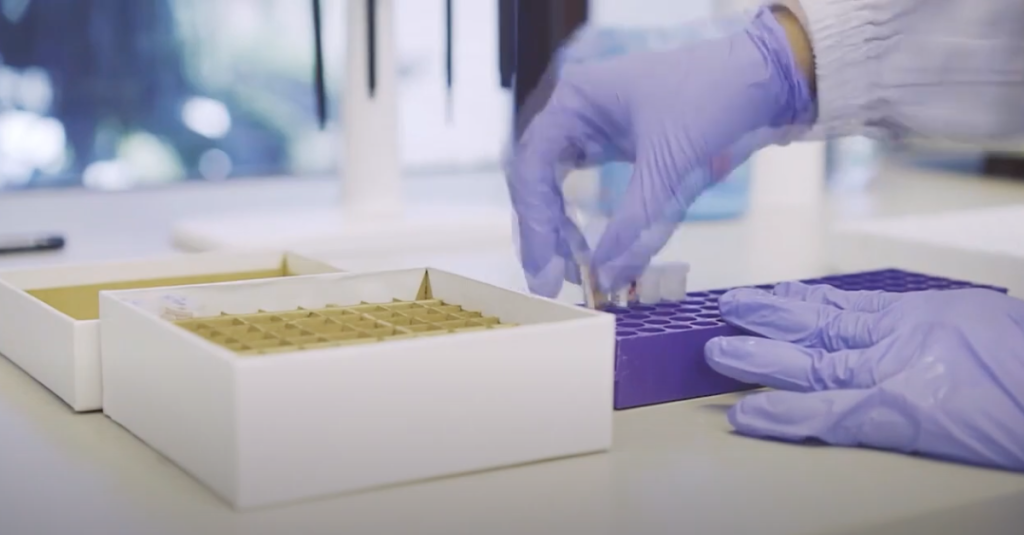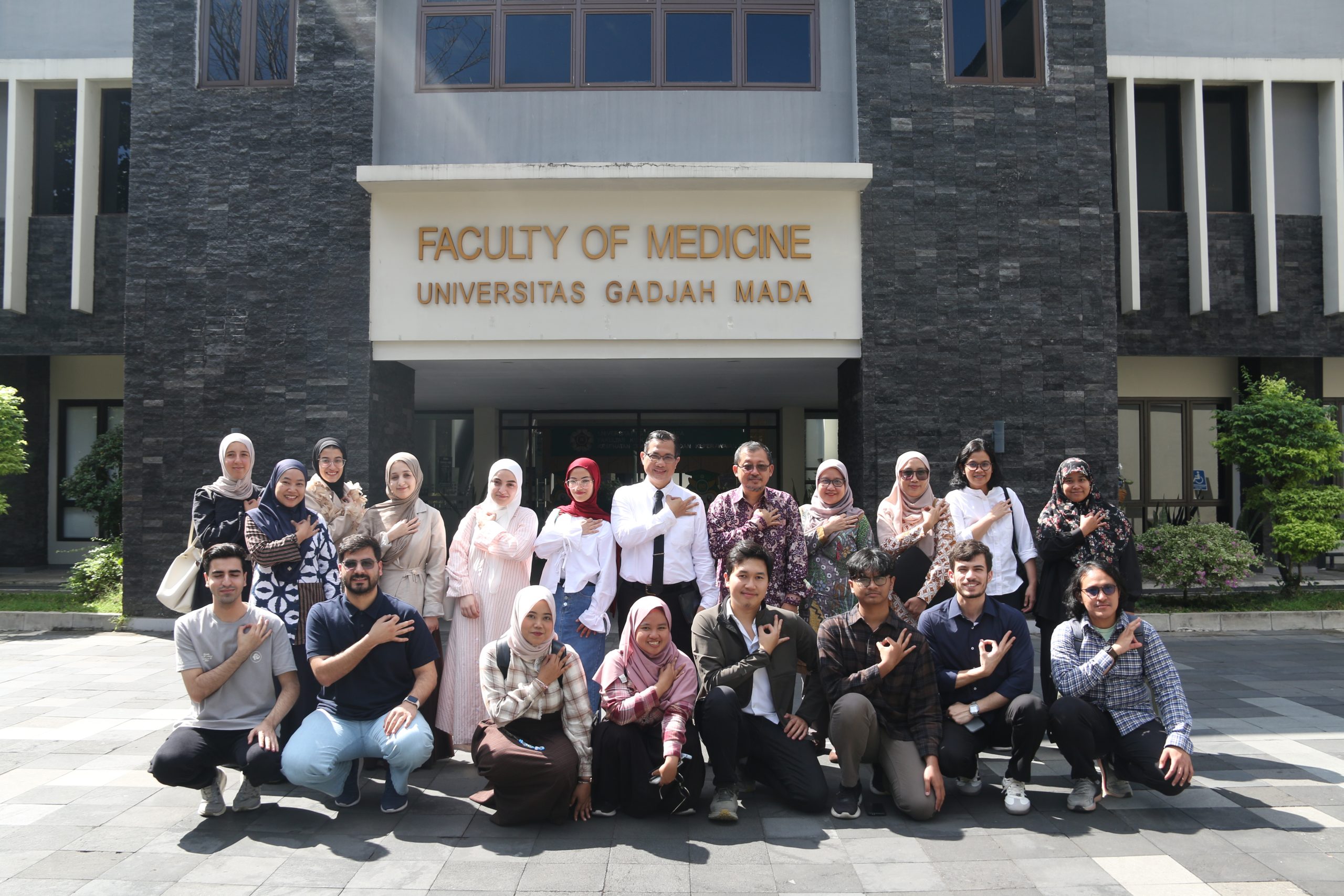
Faculty of Medicine, Public Health, and Nursing (FK-KMK) UGM attended a meeting focused on the development of vaccine research and diagnostic tools, held at the UGM Central Building on Wednesday (19/02). The event was attended by several stakeholders from academia, industry, and government to strengthen collaboration in health innovation that can provide broad benefits to society, both nationally and globally.
The meeting was organized by the UGM Directorate of Cooperation and was attended by Prof. Dr. Puji Astuti, S.Si., M.Sc., Apt. (Director of Partnerships and Global Relations at UGM), Prof. dr. Jarir At Thobari, D.Pharm, Ph.D. (Professor of Pharmacology and Therapy at FK-KMK UGM), and Dr. dr. Ida Safitri Laksanawati, Sp.AK. (Chair of the Center for Child Health Studies/PKKA-PRO FK-KMK UGM). They discussed strategies to improve vaccine effectiveness and develop faster and more accurate diagnostic tools for detecting various diseases.
At this meeting, UGM reaffirmed its commitment to supporting the achievement of the Sustainable Development Goals (SDGs), particularly SDG 3: Good Health and Well-being. Through research into more effective vaccines and diagnostic tools, UGM hopes to reduce morbidity rates and improve the quality of public health.
In addition, this agenda is also in line with SDG 9: Industry, Innovation, and Infrastructure, where the development of medical technology is an important part of supporting an advanced and applicable research ecosystem. With this research, it is hoped that more affordable and accessible health solutions will emerge for the wider community.
These partnerships contribute to SDG 17: Partnerships for the Goals. UGM continues to build networks with various parties, both nationally and internationally, to create a health research ecosystem based on community needs. Moreover, through collaboration with industry and government, research conducted at UGM can be implemented more quickly and have a real impact.
In addition to research and innovation, UGM also pays attention to SDG 4: Quality Education. Through this research program, students and researchers have the opportunity to be directly involved in international standard research, thereby increasing their academic and professional capacity.
This activity is an important step for UGM in strengthening its role as a center of excellence in health research. Through the integration of research, education, and inter-institutional collaboration, UGM is committed to continuing to contribute to creating innovations that benefit public health, both in Indonesia and around the world. (Contributor: Dhimas Sholikhul Huda).