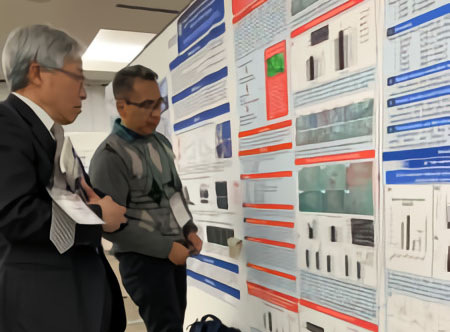
dr. Nur Arfian, Ph.D., lecturer and researcher from the Department of Anatomy, Faculty of Medicine, Public Health, and Nursing, Gadjah Mada University (FK-KMK UGM), participated in the 22nd Takeda Science Foundation Symposium on Bioscience held on February 7–8, 2025, at the Osaka International Convention Center, Japan.
At the forum, dr. Arfi presented his research findings on the potential of the natural compound chlorogenic acid in repairing heart damage caused by diabetes, through animal testing. The study shows that chlorogenic acid, which is commonly found in coffee beans, has a protective effect on the heart, including reducing cell death (apoptosis) and suppressing inflammatory reactions.
This discovery offers new hope for the development of natural and safer therapies for patients with metabolic diseases such as diabetes, which currently require long-term treatment approaches with minimal side effects. Beyond its scientific contributions, this research also reflects the utilization of Indonesia’s biological wealth to support health innovation, which is part of the global sustainability agenda.
dr. Arfi’s participation in this international symposium not only strengthens the global academic network of FK-KMK UGM, but also contributes to the achievement of Sustainable Development Goals (SDGs), particularly SDG 3: Good Health and Well-being through the development of new natural therapy approaches for chronic diseases, SDG 4: Quality Education through the dissemination of knowledge and research results on the international scientific stage.
In addition, it also supports SDG 9: Industry, Innovation, and Infrastructure, and SDG 17: Partnerships for the Goals. The active involvement of the FK-KMK UGM academic community in forums such as the Takeda Science Foundation Symposium on Bioscience demonstrates the institution’s commitment to developing science that not only has a local impact but also contributes to global discourse. dr. Arfi’s research is a concrete example that nature-based health innovations can be a future solution to the challenges of non-communicable diseases. This aligns with SDG 15: Life on Land. (Contributor: Ratih, Translator: Tedy)