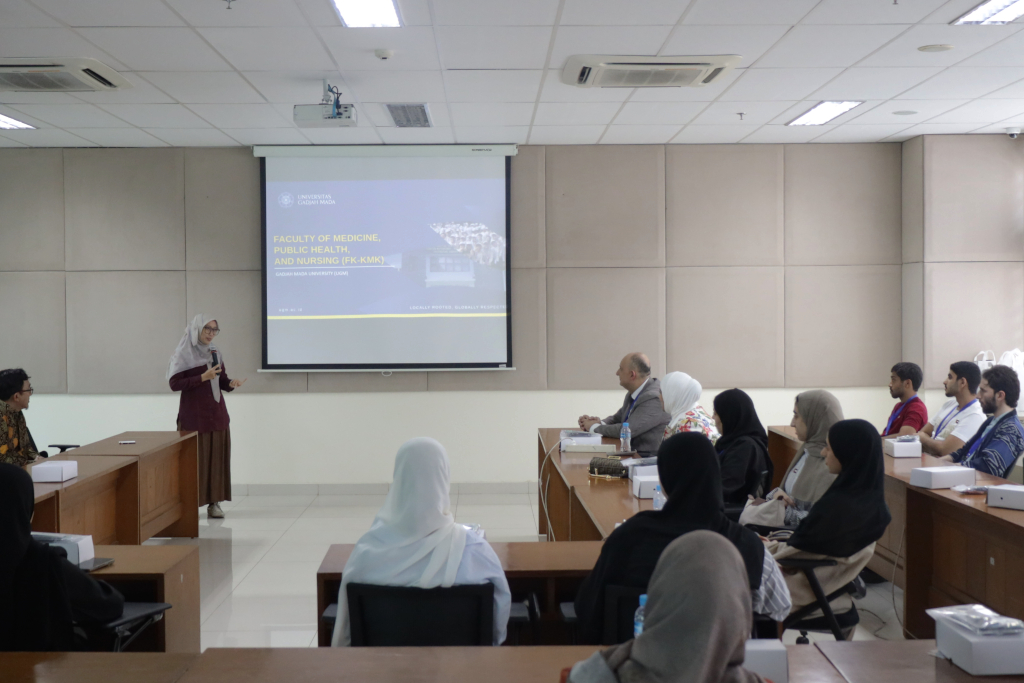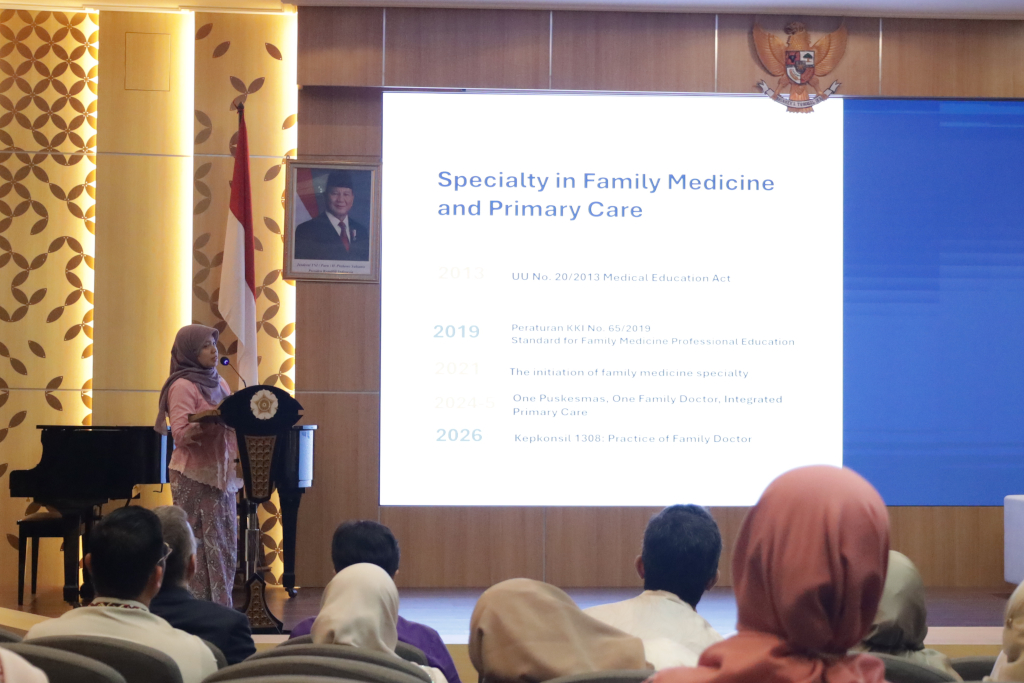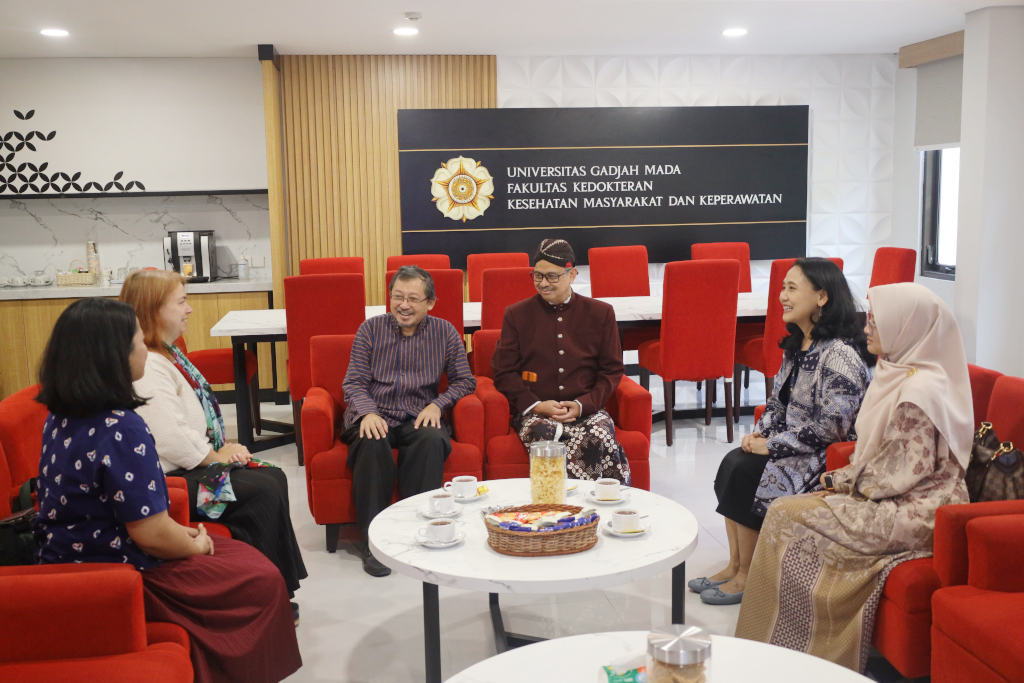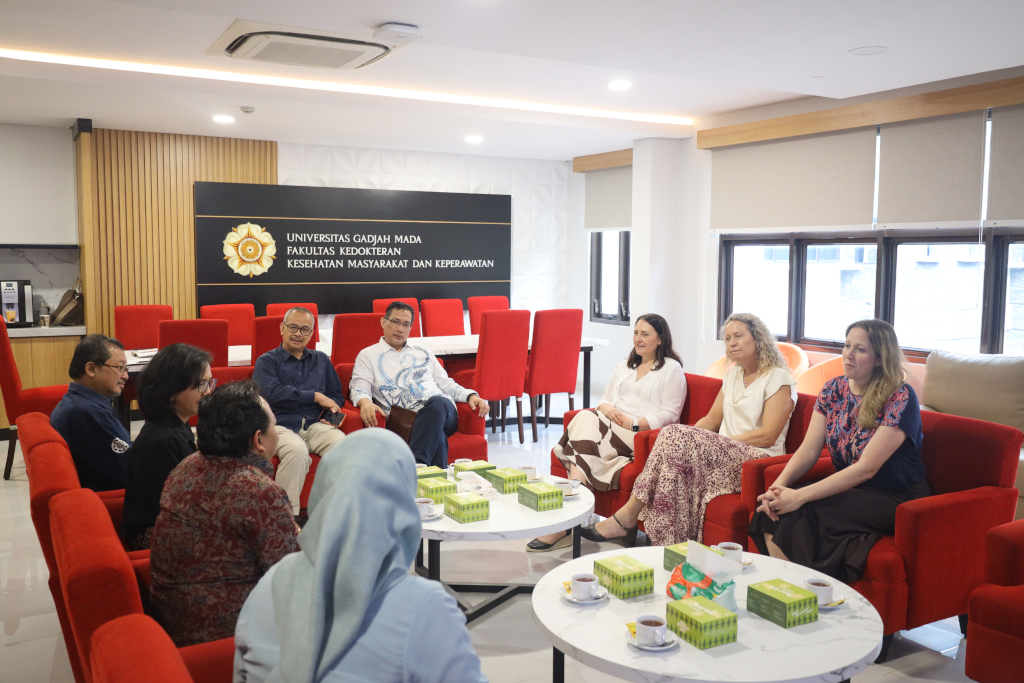
FK-KMK UGM. A surgical incision does not end the moment a life is saved. For breast cancer patients and those living with lymphedema, the real journey often begins after the operation, when physical function and quality of life must be rebuilt. It was from this idea that the Visiting Professor and Guest Lecture titled “Bridging Japan and Indonesia Through Surgical Innovation: Latest Advances in Lymphedema, Breast Reconstruction, and Medical-Engineering Collaboration” took shape.
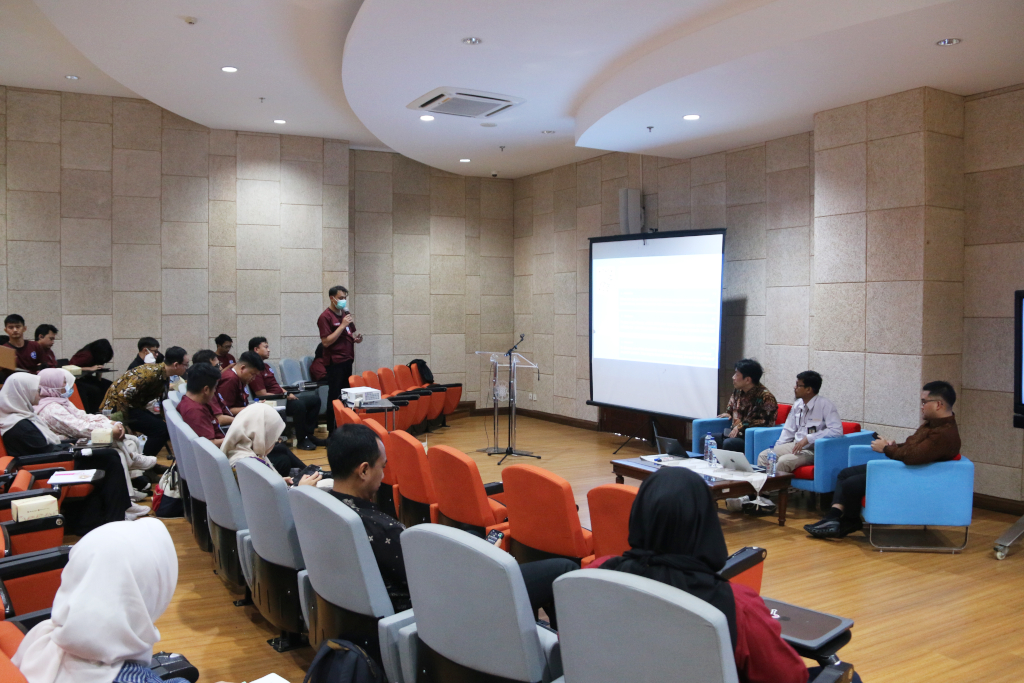
Organized by the UGM Plastic, Reconstructive, and Aesthetic Surgery Residency Program, the event was held in hybrid format on Monday, August 31th 2026, at the Tahir Foundation Auditorium, 1st Floor, FK-KMK UGM, and online via Zoom. Two speakers from different countries took part: Shinsuke Akita, MD, PhD, Associate Professor at the Department of Plastic Surgery, Chiba University School of Medicine, Japan, and Ir. Ridwan Wicaksono, S.T., M.Eng., Ph.D, Assistant Professor of Biomedical Engineering at UGM’s Faculty of Engineering. The discussion was moderated by Aditya Wicaksana, MD, MSc, of the Division of Plastic Reconstructive and Aesthetic Surgery, FK-KMK UGM/Dr. Sardjito Hospital.
Representative of Dr. Sardjito General Hospital, dr. Danny Pratama Kuswadi, Sp.P.D., Subsp. G.H. (K), expressed hope that this academic forum would open space for meaningful discussion and an exchange of experience between colleagues from Japan and Indonesia. The Dean of the Faculty of Medicine, Public Health and Nursing, Universitas Gadjah Mada, Prof. dr. Yodi Mahendradhata, M.Sc., Ph.D., FRSPH, stressed that modern surgery must go beyond saving lives to restoring function, dignity, and quality of life, an achievement that requires close collaboration among clinicians, engineers, scientists, rehabilitation specialists, nurses, and patients themselves.
Carrying that spirit forward, Shinsuke Akita presented the latest advances in lymphedema management and breast reconstruction, two conditions that frequently accompany a breast cancer patient’s journey after surgery, highlighting how recent surgical innovations allow for more precise restoration of both physical form and physiological function. Ridwan Wicaksono then explored the biomedical engineering side of the same conditions, underscoring the importance of translational innovation, turning engineering research into applicable clinical solutions, as a bridge between the laboratory and the operating room.
The event also featured an interactive question-and-answer session and a visit to Dr. Sardjito Hospital, giving participants a firsthand look at how clinical and engineering collaboration is applied in practice.
This activity stands as a concrete contribution by FK-KMK UGM to the Sustainable Development Goals, particularly SDG 3 on Good Health and Well-Being through improved post-surgical healthcare, SDG 9 on Industry, Innovation and Infrastructure through medical-engineering collaboration, and SDG 17 on Partnerships for the Goals through the cross-country academic network between Indonesia and Japan. (Reporter: Balanca Qolta).