Center for Tropical Medicine (PKT) of the Faculty of Medicine, Public Health, and Nursing (FK-KMK) at Gadjah Mada University (UGM) organized the Gadjah Mada International Conference on Tropical Medicine (GAMA-ICTM) 2025. This is the second time GAMA-ICTM has been held since 2023, and it continues to carry the theme Strengthening Health System Resilience for Tropical Disease Control in a Rapidly Changing World.
The event will take place over three days, from February 13 to 15, 2025, in a hybrid format at FK-KMK UGM and via Zoom. More than 120 participants from various countries, including researchers, health workers, and policymakers, will attend this event to exchange knowledge through keynote speeches, symposia, and oral and poster presentations.
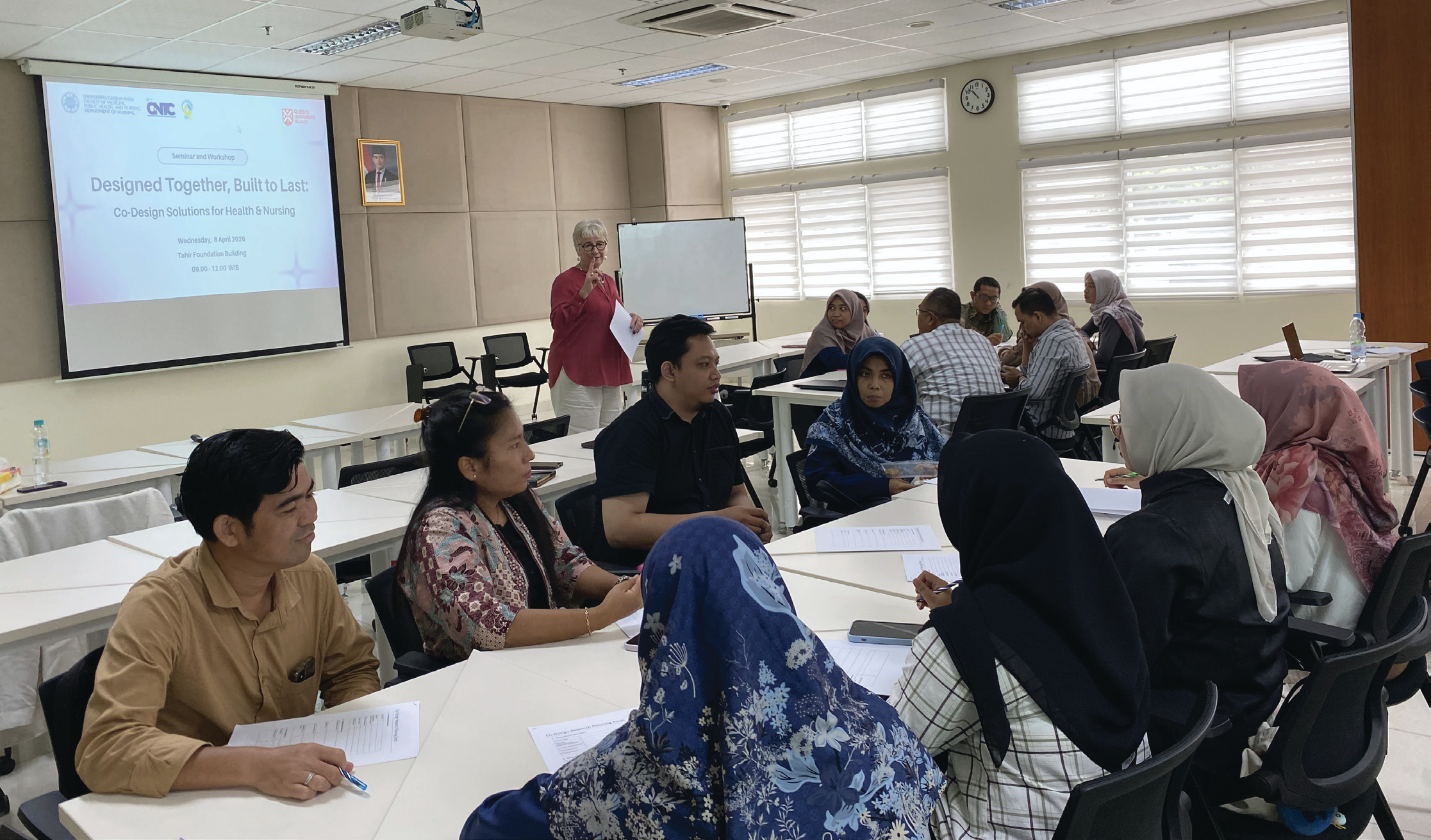
On the first day, GAMA-ICTM 2025 began with two pre-conference workshops, each discussing Wolbachia technology for sustainable dengue control and infectious disease transmission modeling for outbreak mitigation. Both highlighted innovations in tropical disease control through science and technology-based approaches.
Over the next two days, GAMA-ICTM 2025 held a conference consisting of five symposiums on topics including malaria, global vaccination, antimicrobial resistance (AMR), health access gaps, and dengue fever control strategies. Digital technology, artificial intelligence (AI), and the One Health approach are also key focuses in seeking innovation-based solutions and global collaboration.
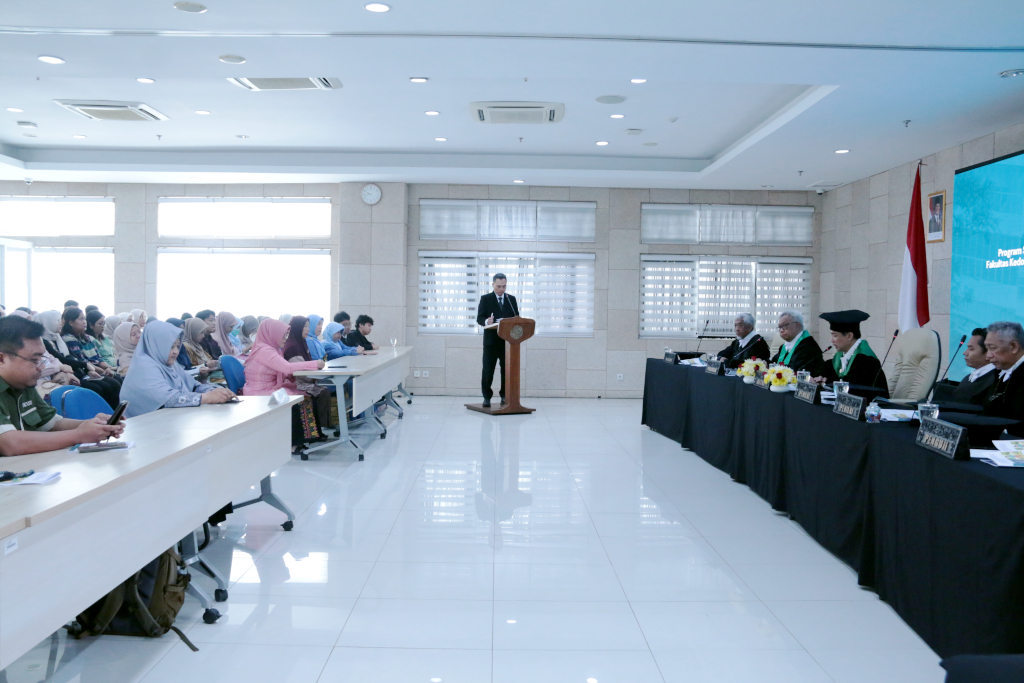
“Thos conference is being held at a crucial moment in the global health situation,” said the Dean of FK-KMK UGM, Prof. dr. Yodi Mahendradhata, M.Sc., Ph.D., FRSPH, in his speech. Prof. Yodi said that this was based on political policy uncertainty, shifting global health priorities, and the uncertainty of significant funding.
Meanwhile, Acting Director General of Disease Prevention and Control (P2P) of the Indonesian Ministry of Health (Kemenkes), Dr. Yudhi Pramono, MARS, expressed his appreciation for the conference. “Prevention and control of tropical diseases require global synergy,” he explained. Dr. Yudhi also expressed the government’s commitment to addressing tropical diseases in Indonesia by developing various strategies, including integrated surveillance, early warning systems, and the use of artificial intelligence for pandemic preparedness.
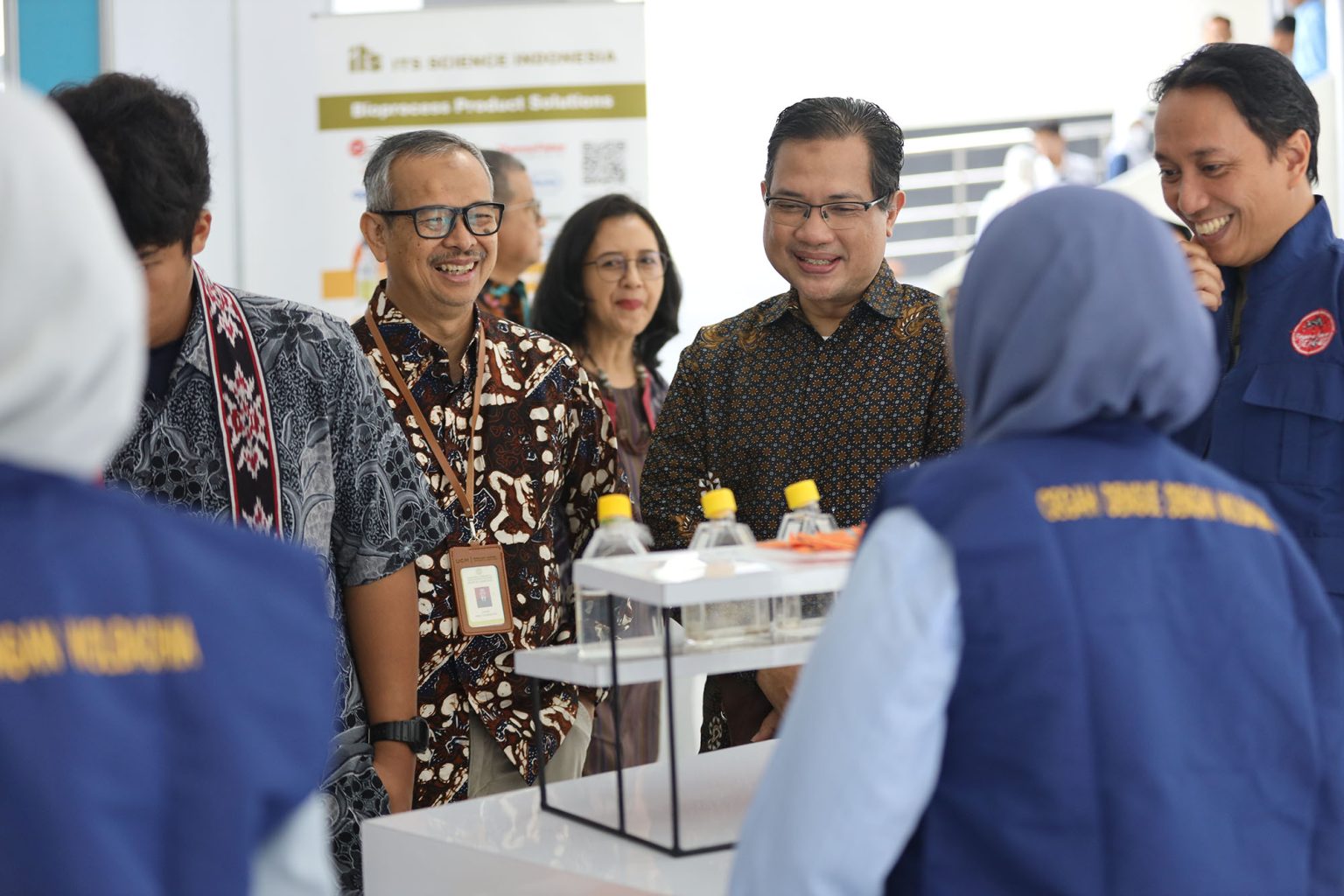
In addition to workshops and conferences, GAMA-ICTM 2025 also featured 68 abstract presentations—both oral and poster—showcasing the latest research and best practices from participants. The implementation of GAMA-ICTM 2025 is one of FK-KMK UGM’s contributions to achieving the Sustainable Development Goals (SDGs), especially SDG 3: Good Health and Well-being, SDG 4: Quality Education, SDG 9: Industry, Innovation, and Infrastructure, SDG 10: Reduced Inequalities, and SDG 17: Partnerships for the Goals. (Author: Citra/Public Relations, Translator: Tedy).